
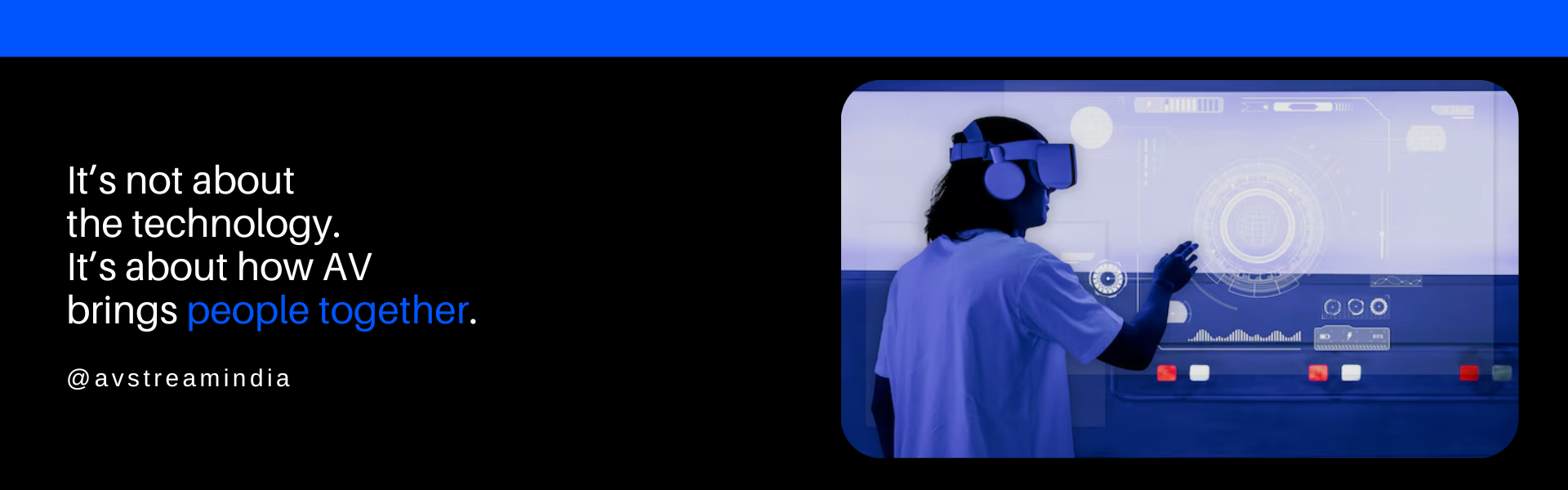
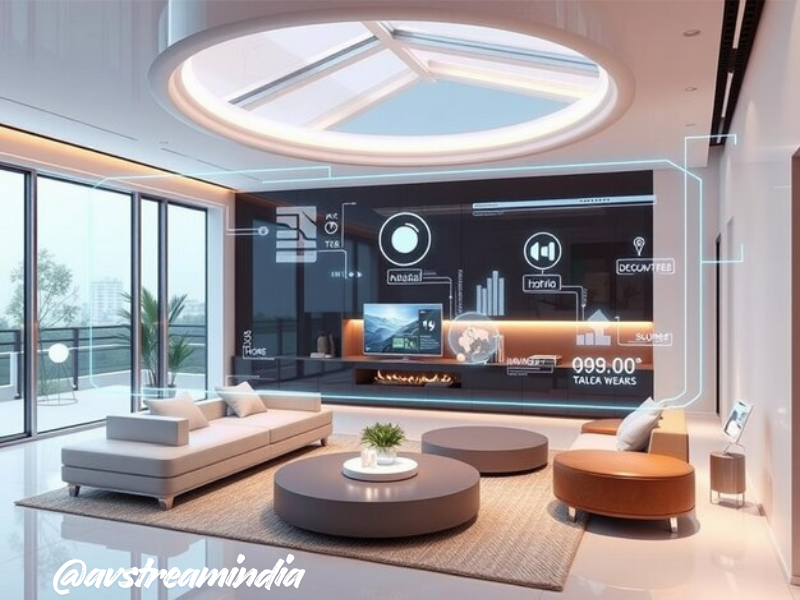
The audio-visual (AV) industry is evolving rapidly, driven by advancements in smart technology and the growing demand for intelligent workspaces. Modern offices are no longer limited to basic displays and projectors - today’s AV solutions are integrated, automated, and designed to enhance user experience while improving operational efficiency.
The Rise of Smart AV Systems
Smart AV systems combine hardware and software to create environments that adapt to user needs. Features like automated lighting, voice-controlled systems, and occupancy sensors are becoming standard in modern conference rooms and offices. These technologies not only simplify operations but also contribute to energy efficiency.
For example, motion sensors can automatically turn on displays and adjust lighting when someone enters a room, while voice assistants can initiate meetings without the need for manual controls.
Integration with Collaboration Platforms :
Another major trend is seamless integration with collaboration tools like video conferencing platforms and cloud-based systems. Smart AV setups allow users to connect instantly, share content wirelessly, and collaborate in real time without technical barriers. This integration ensures a consistent experience across devices and locations, making hybrid work smoother and more effective.
AI and Automation in AV :
Artificial intelligence is playing a growing role in AV solutions. AI-powered cameras can automatically frame participants, track speakers, and enhance video quality. Similarly, advanced audio systems can filter background noise and focus on the speaker’s voice, ensuring clear communication.
Automation also reduces the need for IT intervention, allowing systems to self-adjust based on room conditions and usage patterns.
Benefits of Smart AV Solutions :
- Increased efficiency through automation
- Enhanced user experience with intuitive controls
- Improved energy management and sustainability
- Better meeting outcomes with high-quality audio and video
- Reduced dependency on technical support
Future Outlook :
As workplaces continue to evolve, smart AV technology will become a core component of office infrastructure. Businesses that invest in these solutions will benefit from improved collaboration, scalability, and long-term cost savings.
Conclusion :
The future of the AV industry lies in intelligent, connected systems that simplify communication and enhance productivity. By embracing smart AV technology, organizations can create workspaces that are not only efficient but also future-ready.


Comments (0)
No comments yet. Be the first to share your thoughts!
Leave a Comment